
If you’re trying to figure out the best island to visit in hawaii for first time, you’re not alone. I think most of us start by picturing “Hawaii” as one single place… and then, five minutes later, we realize it’s a handful of very different islands with very different rhythms. Some people want beaches and a resort and to be gently entertained. Other people want to drive until the road ends, hike until their legs complain, and come home with volcanic dust on their shoes.
Here’s the honest part: there isn’t one perfect answer. But there is usually one “most sensible” answer for your first trip, depending on how you like to travel. A common quick recommendation is Oʻahu if it’s your first trip and you want a little of everything, while Maui often gets framed as the classic resort-and-scenery choice. Kauaʻi tends to lean quieter and more nature-forward, and the Big Island is its own kind of wild—volcanoes, big distances, and dramatic variety. That general split shows up again and again in first-timer comparisons, and for good reason.
So let’s do this in a way that feels realistic. We’ll start with the quick pick, then we’ll slow down and look at what you’re actually choosing: vibe, logistics, driving, and what your “great day in Hawaii” looks like. Along the way, I’ll link you to a few deeper guides on World Travel Agency so you can keep planning without bouncing all over the internet.
Best island to visit in hawaii for first time: the quick answer
If you want the easiest first trip—with the most variety, lots of places to stay, and the least “wait, did we plan this wrong?” anxiety—Oʻahu is usually the best starting point. It’s the island that can give you beaches, food, history, hikes, and day trips without demanding that you be an expert planner. That’s why it’s frequently recommended for first-timers who want a little of everything.
But. If your dream version of Hawaii is more “wake up at a resort, do one gorgeous outing, be in bed early,” Maui can feel closer to what you imagined. Many guides describe Maui as a best-of-both-worlds island: popular and well set up for visitors, but still packed with scenery and iconic drives. It can also be pricier, and it does require you to be okay with driving if you want to see the best parts.
And if you already know you’re here for nature, quiet, and that “lush and dramatic” feeling? Kauaʻi starts looking very tempting. If you’re here for volcano landscapes and huge variety in one place, the Big Island can be a first-timer win too—just know that it’s spread out, and your days will be more “road trip” than “walkable vacation.”
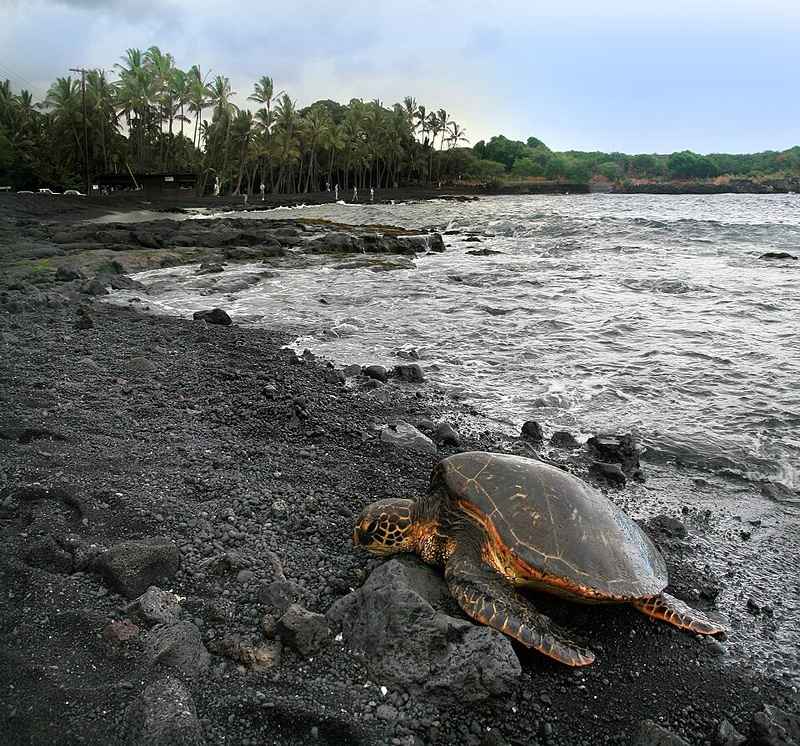
Pick your island in 60 seconds (no overthinking)
Okay. Breathe. Here are some “if this is you…” picks. They’re not perfect, and yes, there are exceptions. But they get you 90% of the way there fast.
If you want the easiest first trip: choose Oʻahu
- You want variety—beach time, hikes, sightseeing, and good food—without long drives every single day.
- You like having lots of hotel options, easy tours, and a more “plug and play” kind of trip.
- You’re traveling with a mixed group (someone wants shopping, someone wants history, someone wants surf lessons) and you’d rather not negotiate every hour.
If you want the classic resort + scenery vibe: choose Maui
- You want beautiful beaches and a polished vacation feel, with a few big-ticket outings (like a sunrise, a crater, or a famous drive).
- You’re okay driving and you don’t mind that some of the best days are “get up early, go do the thing.”
- You’re celebrating something—honeymoon, anniversary, a long-overdue break—and you want it to feel special.
If you want lush nature and a slower pace: choose Kauaʻi
- You want waterfalls, green mountains, and scenic lookouts that feel like you stumbled into a movie set.
- You’re less interested in nightlife and more interested in early mornings and quiet evenings.
- You’re willing to accept that fewer big-city conveniences can be part of the charm.
If you want volcanoes and “wow, this island is huge”: choose the Big Island
- You want dramatic landscapes—lava, black sand, big skies—and you like the idea of an adventurous, road-trip-style itinerary.
- You’re excited by the idea that one island can feel like multiple climates in one trip.
- You’re okay committing to a rental car and planning your bases so you’re not driving back and forth all week.
If you’re still stuck, I’d do this small thought experiment: imagine it’s day two. Are you more excited by “we’re going to a famous beach and then dinner somewhere fun,” or “we’re getting up early to chase a viewpoint and maybe a waterfall”? If it’s the first, you’re probably leaning Oʻahu or Maui. If it’s the second, you’re probably leaning Kauaʻi or the Big Island.
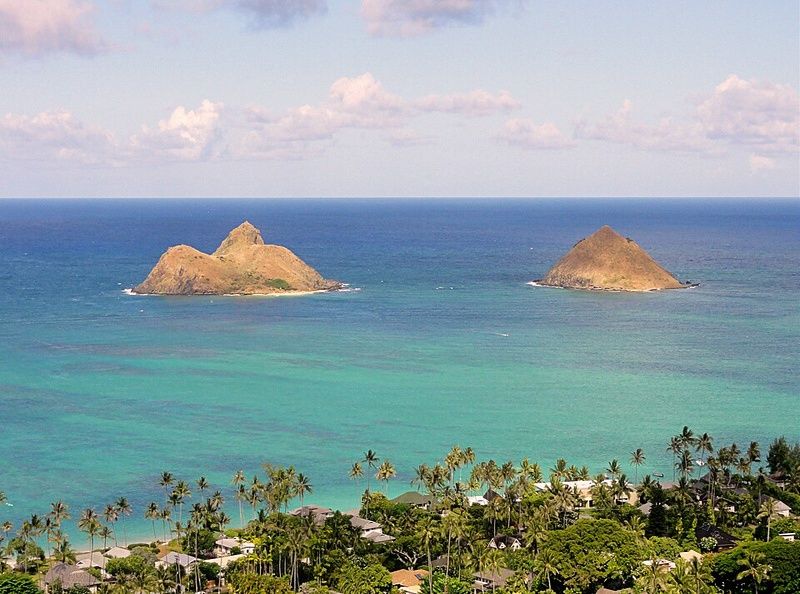
Oʻahu for first-timers: variety without the stress
Oʻahu gets called “too busy” sometimes, and I understand why. Honolulu is a real city, and Waikīkī is famous—which means it can be crowded. At the same time, that’s exactly what makes Oʻahu feel easy for a first trip: the infrastructure, the range of tours, the number of restaurants, and the fact that you can do very different days without changing hotels.
A good first-time Oʻahu week often looks like this: a beach morning, a hike or viewpoint, a cultural or historical stop, then a relaxed dinner. You can do iconic, beginner-friendly surf time in Waikīkī, but you can also drive to the North Shore for a totally different feel. You don’t have to do it all, and I’d argue you shouldn’t. Still, it’s nice knowing you could.
Where to stay on Oʻahu (simple first picks)
- Waikīkī: Walkable, convenient, and busy—in a “this is my first Hawaii trip” kind of way.
- Ala Moana / Kakaʻako area: More local-city feel, still close to beaches and restaurants.
- North Shore (for part of the trip): Calmer, surf culture, more laid-back; it can feel far if you’re doing lots of south-shore activities.
One small note I wish more first-timers heard: you can stay in Waikīkī and still have a nature-heavy trip. You’ll just have to actually leave Waikīkī most days. That’s not a criticism; it’s just how the island works.
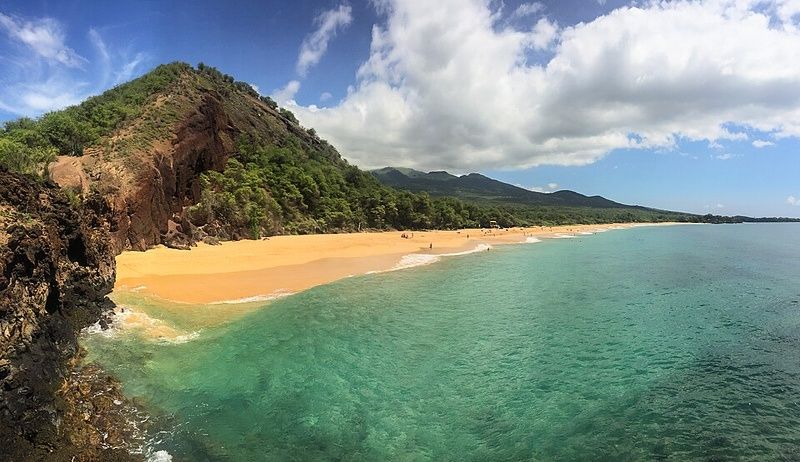
Maui for first-timers: the “postcard” feeling (with a side of driving)
Maui is often described as what people imagine when they think of Hawaii—golden beaches, upscale resorts, and scenic outings that feel like bucket-list items. It’s a strong first-timer pick if you want a trip that’s easy to enjoy even if you do only one or two big adventures.
At the same time, Maui is not a “no-plan” island in the way Oʻahu can be. The moments people rave about—sunrise viewpoints, famous drives, snorkeling days—usually work best with at least a little structure. Not rigid structure. Just… enough planning that you’re not stressed, stuck in traffic, or trying to book something last-minute.
Where to stay on Maui (simple first picks)
- South Maui (Kīhei / Wailea): Beachy, sunny, lots of places to eat; Wailea leans more resort-luxury.
- West Maui (Kāʻanapali area): Classic resort strip feel; check local conditions and what areas are best suited for visitors during your travel dates.
- Upcountry (short stay): Cooler, different vibe; better as an add-on than a full base for most first-timers.
If snorkeling is high on your list, you might want to plan that part early rather than assuming you’ll “figure it out when you’re there.” If you want a head start, here’s a Big Island-focused snorkeling guide that shows the kind of practical detail I’d apply to any island: snorkeling in Big Island: 10 best spots you can’t miss.
Kauaʻi for first-timers: quiet, green, and a little untamed
Kauaʻi is the island people describe with words like “lush” and “dramatic,” and that’s not marketing fluff. If you want the trip to feel nature-first—lookouts, hikes, rain-kissed mountains, beaches that aren’t surrounded by city—Kauaʻi is the one that tends to deliver that mood consistently.
But I’ll say the slightly contradictory thing, because it’s true: Kauaʻi can be an amazing first island, and it can also be frustrating if you expected convenience everywhere. It’s not built for nightlife. It’s not built for “we’ll just Uber around.” And that’s okay. You just need to want what it is.
Where to stay on Kauaʻi (simple first picks)
- South shore (Poʻipū area): Often sunnier, more resort-style, good first-timer base.
- East side (Kapaa area): Central-ish for exploring, lots of casual food options.
- North shore (Princeville / Hanalei area): Stunning, relaxed, sometimes wetter; great if the slower pace is the point.
If your travel personality is “I want to do one great hike, then read a book, then eat something good,” Kauaʻi can feel like it was made for you. If your personality is “I want to be entertained every hour,” you may love it… but you’ll have to bring some of that entertainment with you.
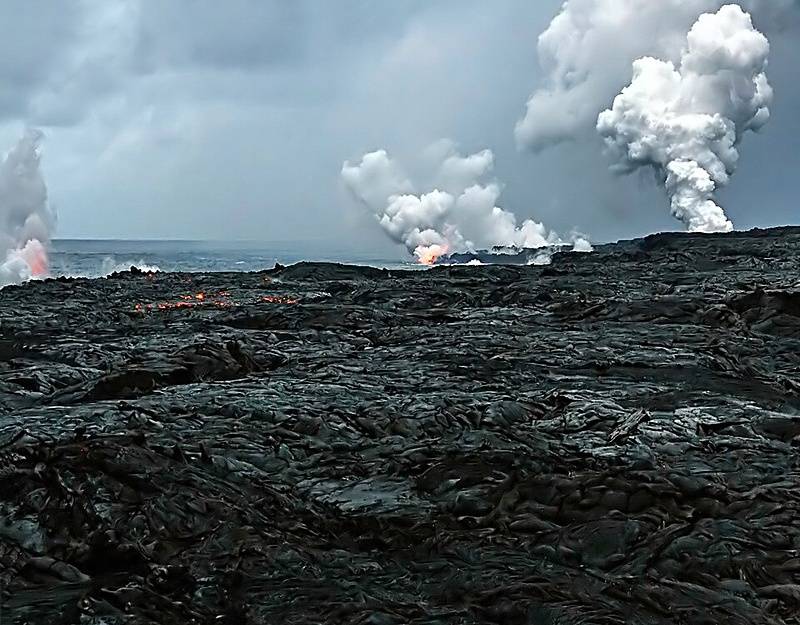
Big Island (Hawaiʻi Island) for first-timers: volcanoes, beaches, and big distances
The Big Island is the one I recommend when someone wants Hawaii to feel expansive and varied. People often describe it as the most diverse in landscapes—volcanic areas, black sand beaches, lush pockets, and wide open scenery. It can feel less “resort bubble” and more “we’re exploring a real place.”
The tradeoff is distance. A “quick” drive can become a whole day if you plan poorly, and the best experience usually comes from choosing your base (or bases) thoughtfully. If you’re the type who hates packing and unpacking, you can still do it in one spot—but you’ll spend more time in the car. There’s no way around that.
Where to stay on the Big Island (simple first picks)
- Kona side: Often drier and popular for first-time visitors who want sunshine and easy access to many tours.
- Hilo side: Lusher and rainier, with a different vibe and good access to waterfalls and eastern sights.
- Split stay (common): A few nights Kona side + a few nights Hilo side to reduce driving.
And since this comes up constantly: yes, snorkeling can be excellent on the Big Island. If that’s one of your top priorities, you’ll probably enjoy having a dedicated plan for it rather than winging it. Again, this guide can help you start mapping that out: snorkeling in Big Island: 10 best spots you can’t miss.
Oʻahu vs Maui for first-time visitors (the decision most people actually mean)
When someone asks me “what’s the best island for a first trip,” I often hear a quieter question underneath: Oʻahu or Maui?
Here’s the cleanest way I know to say it. Oʻahu is best when you want variety, food, history, and a lot of options close together. Maui is best when you want the vacation to feel romantic, beach-forward, and a bit more “escape,” with fewer city cues.
Both can be busy. Both can be expensive. Both can be magical. And both can be slightly disappointing if you choose them for the wrong reason. If you’re deciding between the two, I’d rather you compare them on your real travel habits than on photos.
If you want a deeper, side-by-side breakdown (including who each island fits, what a realistic week looks like, and the tradeoffs people don’t mention until you’re already there), I’d read: Oʻahu vs Maui for first-timers.
How long should your first Hawaii trip be?
This is where people get a little ambitious. I get it. Flights are long, hotels are expensive, and you want to “make it count.” But trying to do too much in Hawaii can backfire because inter-island travel isn’t just a cute little hop—you still have checkouts, airport time, rental car logistics, and the mental cost of constantly resetting.
My general rule is: if you have under a week, pick one island and do it well. If you have 8–10 days, you can consider two islands, but only if you’re truly okay with losing part of a day to switching. If you have 10+ days, two islands can feel comfortable rather than rushed—especially if you choose islands that complement each other instead of duplicating the same experience twice.
To make this practical (and not just advice that sounds nice), I put together itinerary options by trip length here: Hawaii first-time itinerary (4, 7, and 10 days).
Do you need a rental car? (Usually, yes)
For most first-time trips—especially on Maui, Kauaʻi, and the Big Island—a rental car is the difference between “I saw Hawaii” and “I stayed near my hotel.” Oʻahu is the one island where you can realistically build a trip with less driving (depending on where you stay and what you want to do), but even there, having a car for a day or two can unlock a lot.
I’ll also add something that feels obvious, but isn’t: your comfort with driving matters. Some people love scenic roads. Some people hate winding routes, tight parking, or the feeling of being far from “services.” If you’re in the second camp, that doesn’t disqualify you from Kauaʻi or Maui or the Big Island. It just means you plan more conservatively—shorter day loops, fewer “must-dos,” and maybe a guided tour for the one big outing.
Budget reality: which island feels most expensive?
This is tricky because prices change, seasons matter, and “expensive” depends on your travel style. Still, it’s fair to say that Maui often comes up in first-timer conversations as the island that can feel the most expensive, especially if you’re leaning into the resort experience. Oʻahu can give you a wider range of hotel price points, while the Big Island and Kauaʻi can vary a lot depending on where you stay and how you plan.
If you want to keep costs steady, a surprisingly effective approach is to choose one island and stay put, rather than paying the “switching costs” of island hopping. Another is to plan your “splurge” days on purpose—maybe one nice dinner, one boat day, one special experience—and keep the rest simple. You don’t have to treat every day like a once-in-a-lifetime event for the trip to feel once-in-a-lifetime.
First-time Hawaii: a simple decision framework
If you skimmed (no judgment), here’s the framework I’d use:
- If you want the most balanced, easy first trip, start with Oʻahu.
- If you want a resort-forward trip with iconic scenery, Maui is often the best fit.
- If you want lush nature and a calmer pace, Kauaʻi will likely make you happy.
- If you want volcano landscapes and a big, varied adventure, choose the Big Island.
And one more gentle reminder: your first trip doesn’t have to be your “perfect” Hawaii trip. It just has to be a great one. You’ll learn what kind of Hawaii traveler you are—beach person, hiking person, food person, or maybe a little of all of it—and that’s how future trips get even better.
Conclusion: so what’s the best island to visit in hawaii for first time?
The best island to visit in hawaii for first time is the one that matches your real-life travel style. If you want the easiest all-around introduction, Oʻahu is a strong default. If you want a polished resort-and-scenery feel, Maui is hard to beat. If you want quiet nature, Kauaʻi is the move. And if you want big landscapes and volcano energy, the Big Island is unforgettable—just plan for distances.
If you want to keep going, I’d pick one next step: compare Oʻahu and Maui if you’re torn (Oʻahu vs Maui for first-timers), build a realistic schedule (Hawaii first-time itinerary), or lock in a snorkeling plan if that’s your happy place (snorkeling in Big Island).