
If there’s one thing Kuala Lumpur is famous for, it’s food. The city is packed with flavor, and for many travelers, eating here becomes just as important as sightseeing. Beyond the polished malls and famous restaurant names, there’s a deeper side to the city’s food culture built around street stalls, hawker centers, family-run kitchens, and dishes passed down through generations.
If you’re planning a broader city stay, it helps to pair this food guide with a complete travel plan. For attractions, neighborhoods, and practical planning, explore this Kuala Lumpur travel guide.
This article is for travelers who want more than a quick list of dishes. It’s for people who enjoy wandering through local streets, following the smell of grilled meat or fried noodles, and sitting down where the food is simple but unforgettable. Kuala Lumpur street food hidden gems are scattered across the city, and the best way to find them is to slow down, stay curious, and eat where the locals eat.
Why Kuala Lumpur Street Food Is Unique
Kuala Lumpur’s food scene stands out because it reflects the city’s multicultural identity. Malay, Chinese, and Indian influences shape the way people cook, season, serve, and share food here. That combination creates a street food culture that feels layered and constantly interesting. One meal can be rich, spicy, coconut-based, and comforting, while the next may be smoky, savory, and packed with wok flavor.
Another reason the city’s food culture is so special is accessibility. You do not need a large budget to eat well in Kuala Lumpur. In fact, some of the best meals come from humble stalls, busy kopitiams, and local food courts where prices remain affordable and quality stays high. This makes Kuala Lumpur one of the most rewarding cities in Asia for travelers who want to eat widely without overspending.
There is also a strong sense of tradition in the food culture. Many recipes are still prepared in ways that families have used for decades. Some stalls focus on just one or two dishes, and that kind of specialization often leads to better flavor and stronger consistency.
For travelers who enjoy unusual neighborhoods and less obvious city experiences, it is also worth reading this guide to Kuala Lumpur hidden gems and unexpected experiences. It pairs naturally with the food side of the city.
Must-Try Street Food in Kuala Lumpur
Nasi Lemak – Malaysia’s National Dish
Nasi lemak is one of the most famous dishes in Malaysia, and Kuala Lumpur is one of the best places to try it in different forms. At its simplest, it includes coconut rice served with sambal, anchovies, peanuts, cucumber, and usually a boiled egg. More filling versions may add fried chicken, beef rendang, squid, or sambal petai.
What makes nasi lemak so satisfying is balance. The rice is fragrant and creamy, the sambal brings heat and sweetness, and the crunchy toppings add texture. It works well for breakfast, lunch, or even a late-night comfort meal.
Char Kway Teow
Char kway teow is a stir-fried noodle dish known for its smoky aroma and rich wok flavor. Flat rice noodles are tossed over high heat with soy sauce, egg, bean sprouts, prawns, Chinese sausage, and sometimes cockles. When made properly, it delivers a deep charred flavor that is both savory and memorable.
This is one of those dishes that shows the cook’s skill. The timing, heat, and seasoning all need to come together quickly, and the best versions often come from stalls with long local followings.
Roti Canai
Roti canai is one of Kuala Lumpur’s most loved everyday foods. The flatbread is stretched, folded, and fried until crisp on the outside and soft inside, then served with curry or dhal. It is affordable, filling, and ideal for breakfast or late-night eating.
Its simplicity is part of its charm. Whether you eat it in a busy neighborhood mamak stall or a roadside breakfast spot, it gives you a strong introduction to Indian-Malaysian food culture.
Local Dishes Worth Seeking Out
Hokkien Mee
Hokkien mee is rich, dark, and deeply savory. Thick noodles are cooked in a soy-based sauce, often with pork, squid, or seafood. The flavor feels heavier and more intense than some other noodle dishes, which makes it especially satisfying in the evening.
Banana Leaf Rice
Banana leaf rice is more than a meal. It is an experience built around rice, curries, vegetables, pickles, and side dishes served on a banana leaf. Many people eat it with their hands, which adds to the sense of tradition and connection.
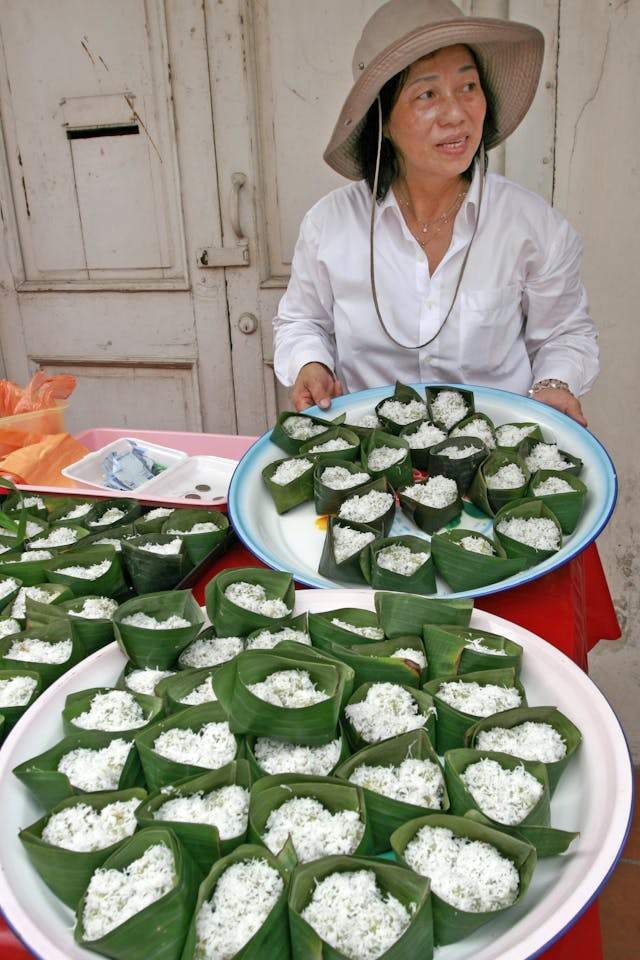
Satay
Satay is one of the easiest street foods to love. These grilled skewers are smoky, juicy, and served with peanut sauce, cucumber, onion, and rice cakes. They work well as a snack or a full casual meal.
Mee Goreng Mamak
Mee goreng mamak is a fried noodle dish from the Indian-Muslim food tradition. It is spicy, slightly sweet, savory, and filling, making it a favorite at neighborhood mamak stalls across the city.
How to Find the Best Food
Finding great street food in Kuala Lumpur is not difficult, but a few simple habits help. First, follow the crowds. If a stall is busy with locals, that is usually a good sign. High turnover often means fresher food and stronger consistency.
Second, do not judge a place too quickly by appearance. Some of the best food in Kuala Lumpur comes from very simple-looking stalls and modest coffee shops. Cleanliness matters, but visual polish does not always reflect quality.
Third, try eating at local meal times. Breakfast stalls feel most alive in the morning, while supper spots and night food streets are best later in the day. Street food is not only about what you eat, but also when and where you eat it.
Finally, stay open to trying unfamiliar dishes. Kuala Lumpur rewards curiosity, and some of the most memorable meals come from ordering something you did not originally plan to try.
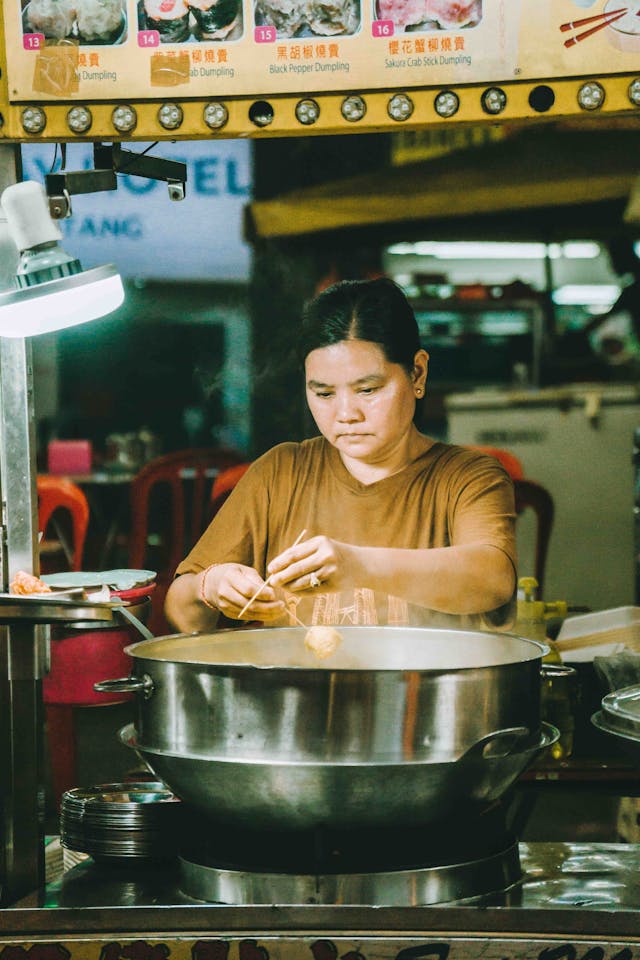
Best Areas for Street Food
- Kampung Baru: Best for traditional Malay dishes and local atmosphere.
- Chow Kit: Best for market food and adventurous eating.
- Jalan Alor: Best for variety and easy evening food walks.
- Bangsar: Best for a mix of modern cafés and local staples.
- Brickfields: Best for Indian food, banana leaf rice, and roti-based meals.
- Petaling Street area: Best for Chinese-Malaysian dishes and old-meets-new food culture.
Each of these areas offers a slightly different food experience, which is why Kuala Lumpur is so rewarding for travelers who explore the city through meals.
Food Tips for First-Time Visitors
If this is your first time exploring Kuala Lumpur through food, begin with a few dishes and add more gradually. It is easy to over-order when everything looks good, so pacing yourself makes the experience more enjoyable.
Carry cash for smaller stalls, even if many places now accept digital payment. Drink enough water, especially when eating spicy or fried foods in warm weather. Try to combine famous dishes with lesser-known local specialties so the food experience feels broader and more rewarding.
Most importantly, do not rush. Kuala Lumpur street food is best enjoyed slowly, with room for unexpected finds and small detours.
Suggested Food Itinerary
You can build a simple food-focused day in Kuala Lumpur by starting with nasi lemak or roti canai in the morning, exploring a market or neighborhood late morning, stopping for noodles at lunch, and heading to Jalan Alor or Kampung Baru in the evening for satay, grilled seafood, or another round of local specialties.
If you are planning a full city itinerary, this food route works especially well alongside the broader Kuala Lumpur travel guide, which covers the neighborhoods and practical structure of the trip.
Final Thoughts
Exploring Kuala Lumpur street food hidden gems is one of the most rewarding parts of visiting the city. The meals are affordable, varied, and deeply connected to local life. Some of the most memorable dishes come from the simplest places.
What makes Kuala Lumpur especially interesting is the way food links directly to culture, neighborhoods, and daily routines. A food stall is not just a place to eat. It is part of the city’s character.
If you want to build a complete reader journey, begin with the Kuala Lumpur travel guide and then continue with this related read on Kuala Lumpur hidden gems and unexpected experiences.