
Planning a Trip to Kuala Lumpur Malaysia: The Complete Guide to What Makes KL Uniquely Yours
Planning a trip to Kuala Lumpur Malaysia might seem simple at first—but once you start looking, the choices explode. Skyscrapers rise through the humid air, street food sizzles everywhere, and centuries‑old temples sit beside futuristic malls, all blending into one electric, easy‑going city. The real question isn’t just what to see on a trip to Kuala Lumpur Malaysia, but what kind of memories will stick with you after you leave.
A Kuala Lumpur travel guide like this one is for travelers who want more than just a checklist. Whether you’re after a 3‑day recharge, a 5‑day food‑driven circuit, or a week‑long base for day trips, KL rewards you when you mix planning with spontaneous wandering.
This guide covers:
-
Why choose Kuala Lumpur for your next trip.
-
Your first impressions and what hits you first.
-
The top things to do in Kuala Lumpur (icons you can’t skip).
-
Food, culture, shopping, and hidden‑gem neighborhoods.
-
Where to stay, how to get around, and the best time to visit Kuala Lumpur.
-
Detailed 4‑day, 5‑day, and 7‑day Kuala Lumpur itineraries.
Why Choose Kuala Lumpur for Your Next Trip?
There’s something quietly magnetic about Kuala Lumpur Malaysia. It doesn’t scream for attention like Tokyo or Bangkok. Instead, it slowly reveals its layers: a mix of colonial history, modern skyscrapers, and a multicultural food scene.
Accessibility meets adventure
Kuala Lumpur International Airport (KLIA) is one of Southeast Asia’s best‑connected hubs, with flights to India, Singapore, Europe, and beyond. Budget carriers like AirAsia make a trip to Kuala Lumpur Malaysia surprisingly affordable.
English is widely spoken, so you’ll see it on menus, signs, and in casual conversations. You won’t spend your first day stuck in translation—just sipping teh tarik at a mamak stall while you figure out the city.
A city of surprising depth
Kuala Lumpur is a showcase of Malaysia’s multicultural soul: Malay, Chinese, Indian, and expat communities live side by side. The call to prayer, lion dances, and Hindu festivals all coexist in the same streets.
Festivals like Hari Raya, Chinese New Year, and Deepavali turn entire neighborhoods into a colorful, noisy, deeply local celebration. Even outside festival season, KL feels warm and easy to navigate for solo travelers, families, and couples alike.
First Impressions of Kuala Lumpur: What Hits You First
Your trip to Kuala Lumpur Malaysia usually starts with the skyline. As your Grab ride slices through the highways, the Petronas Twin Towers appear like silver needles in the sky. They’re sleek, confident, and instantly iconic.
Then reality sets in: motorbikes swarm, hawkers smoke curls from roadside stalls, and laundry flaps on high‑rise balconies. The air is heavy with humidity and the smell of chili, pandan, and grilled meat. It feels chaotic, alive, and refreshingly unpolished.
Within a day or two, you realize KL isn’t one city—it’s several overlapping worlds that somehow fit together.
Top Places to Visit in Kuala Lumpur: The Icons You Can’t Skip
Every Kuala Lumpur travel guide mentions these landmarks for good reason—they anchor your trip while revealing the city’s scale and spirit.
Petronas Twin Towers & KLCC Park
You’ve seen the photos, but standing beneath the Petronas Twin Towers feels visceral. At 451 meters, they were the world’s tallest buildings when completed in 1998, connected by a 41st‑floor Skybridge. [web:56]Book observation deck tickets online (around RM80–98/adult)—views stretch to the distant hills, especially stunning at sunset when the city glows orange.
Wander downstairs to KLCC Park, a green lung amid concrete. Families picnic on manicured lawns, kids chase fountains, and office workers jog at dusk. It’s free, shaded, and the perfect spot to watch KL transition from day to night. Nearby Suria KLCC mall offers air‑conditioned relief—think luxury brands, an aquarium, and food courts blending global chains with local nasi goreng.
Pro tip: Visit early morning or late evening to dodge crowds. Nighttime photos with the lit towers reflecting in glass walls? Magic.
Batu Caves
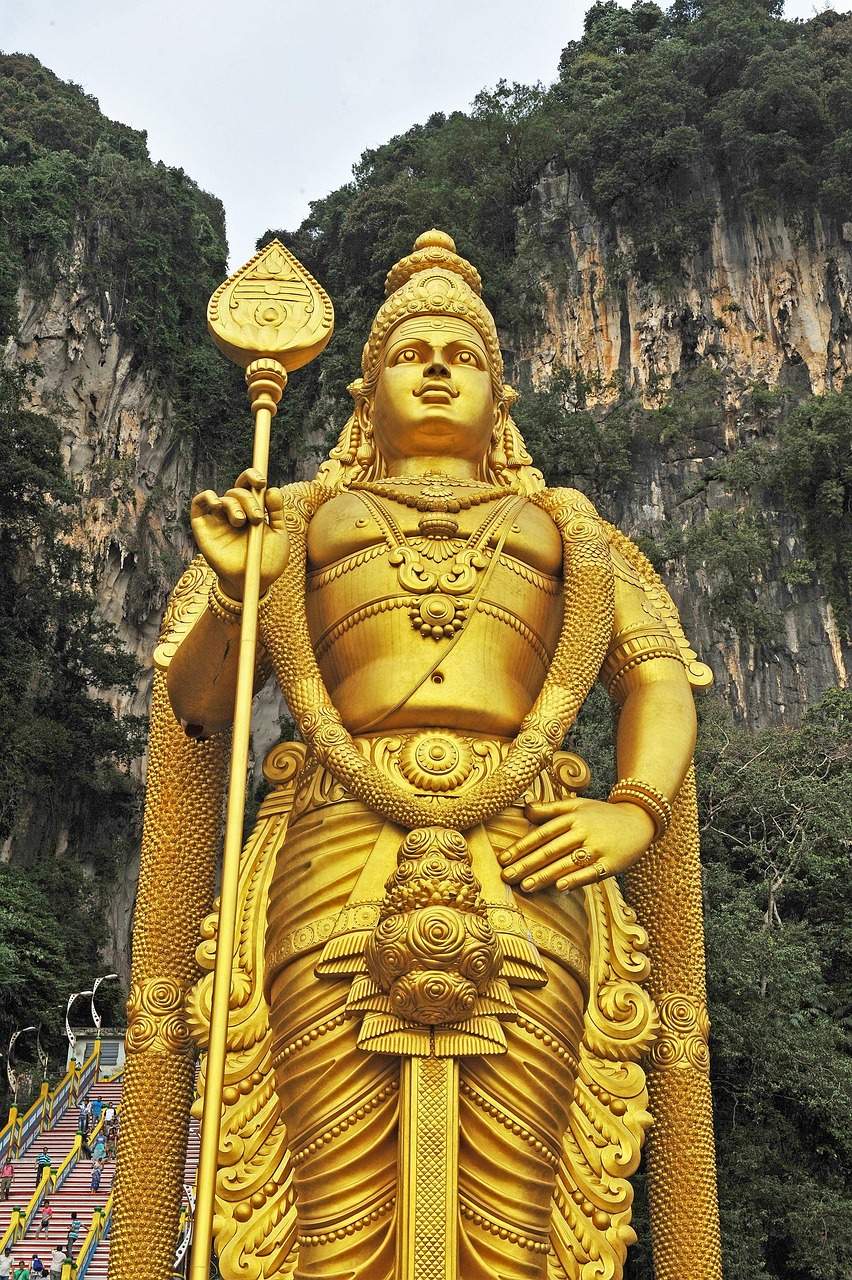
Just 13 km north, Batu Caves delivers drama. A 42.7‑meter golden Murugan statue guards 272 rainbow‑painted steps climbing into limestone caves sacred to Hindus. Inside, Temple Cave’s vaulted chambers drip with stalactites; monkeys and macaques prowl for snacks (secure your bags!). [web:53][web:62]
The real draw? Spiritual energy. Devotees in saris offer prayers amid incense smoke; pigeons flutter through sun‑shafted skylights. It’s sweaty work climbing (wear good shoes), but the payoff—panoramic city views and a sense of ancient power—lingers.
Details: Free entry; open daily 6:00 AM–9:00 PM. Go at opening to beat tour buses and heat. Combine with nearby Dark Cave tours (about RM35, helmet + headlamp included) for spelunking.
Bukit Bintang: KL’s Electric Heart
Forget sterile malls—Bukit Bintang throbs with street‑level energy. Jalan Alor’s night market erupts after 5:00 PM: sizzling satay skewers, grilled stingray, durian stalls, beer towers. Pavement dining spills onto sidewalks; neon signs buzz overhead.
By day, Pavilion KL and Lot 10 malls tempt with fashion, cinemas, and hutong‑style food streets. It’s crowded, loud, gloriously alive—perfect for people‑watching over mango sticky rice.
Nightlife note: Rooftop bars like Heli Lounge Bar (on the helipad atop the KL Monorail station) or Vertigo (nearby Traders Hotel) offer cheap drinks with skyline views. Dress smart‑casual, and don’t miss the Exchange TRX rooftop for newer, Instagram‑friendly frames.
KL Tower (Menara KL)
At 421 meters, KL Tower edges out the Twins for 360° panoramas. Its revolving restaurant and open‑air deck (around RM49) reveal Bukit Bintang’s bustle to the south, Batu Caves haze to the north, and the Putrajaya skyline to the south‑west. [web:54][web:60] Fewer crowds than Petronas make it feel more exclusive.
Bonus: A small “mini zoo” of snakes and reptiles and an upside‑down house nearby add quirky family‑friendly fun.
Merdeka Square & Sultan Abdul Samad Building
Colonial history meets modern Malaysia at Merdeka Square (Dataran Merdeka), where independence was declared in 1957. The Moorish‑Arabesque arches of the Sultan Abdul Samad Building glow gold at night. Stroll free light‑and‑sound shows projected onto the façades; pose with the “Ibu Kota” giant flagpole.
Weekend craft bazaars and walking tours often kick off from here, making it a great starting point for a first‑day orientation walk linking the old city, Pasar Seni, and Chinatown.
A Deeper Look: Unforgettable Kuala Lumpur Experiences
Beyond landmarks, Kuala Lumpur reveals itself through senses and stories.
Food: The soul of every street
KL eats like no other city. Nasi lemak (coconut rice, sambal, anchovies, peanuts) reigns as the national dish—try at Village Park Nasi Lemak in SS2. Satay (grilled meat skewers, peanut sauce) shines at Sate Kajang Haji Samuri. Roti canai (flaky flatbread, curry dip) starts mornings at mamak 24/7 eateries across the city.
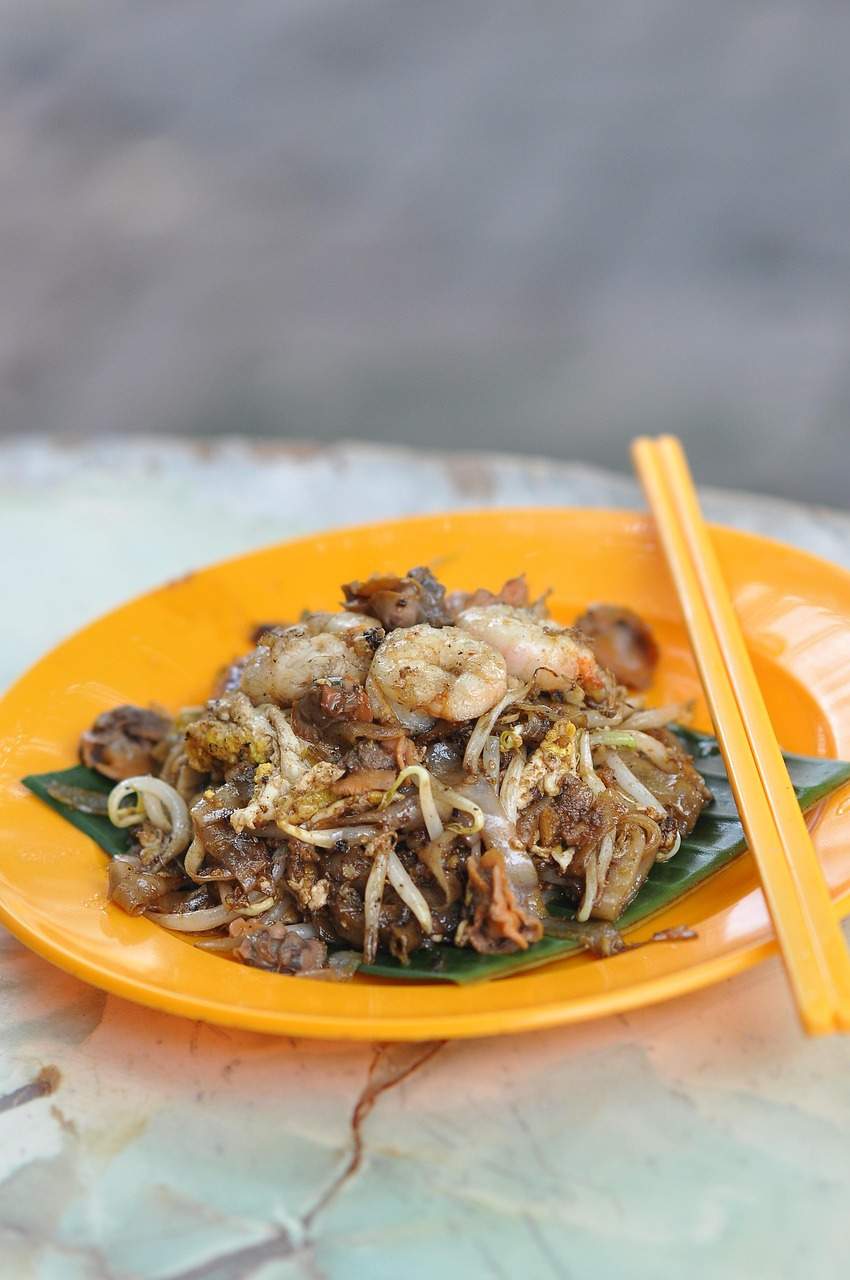
Street food hotspots worth adding to your planner:
- Jalan Alor (Bukit Bintang): Endless hawker stalls, from skewered chicken wings to tiger prawns.
- Taman Connaught Night Market (Cheras): Over a kilometer of vendors, from roasted duck to durian desserts.
- SS15, Subang Jaya: Student‑favorite food street with local favorites like laksa, nasi kandar, and char koay teow.
Michelin‑approved or spotlighted spots like Imbi Market (for hokkien mee, char kway teow, and more) elevate hawker culture into its own sub‑tour, perfect for food‑focused itineraries. [web:59] Don’t miss cendol (shaved ice, pandan jelly, gula melaka syrup) or teh tarik, known for the frothy “pulled” pour that’s both a drink and a show.
For vegetarians, Brickfields’ banana‑leaf rice spots and Indian eateries offer rich, spiced meals without meat while still feeling authentic.
Food‑tour tip:
Join a guided hawker or night‑walk food tour (around RM100–150) or even a Supper Club‑style tasting experience; they simplify choices and help you avoid spicy‑overload mistakes. If you’re going solo, ask locals at the next table what to order—their chili‑tolerance gauge is usually accurate.
Cultural diversity: Three worlds in one
Malaysia’s Malay‑Muslim, Chinese‑Buddhist, and Indian‑Hindu roots create a living harmony rarely seen in policy brochures. Masjid Jamek blends Mughal‑style domes with Islamic geometry right by the Klang River. Thean Hou Temple dazzles with red lanterns, dragon statues, and sea‑facing views over the city. Sri Mahamariamman Temple (KL’s oldest Hindu temple) hums with bell chants, garlands, and kohl‑lined faces during prayer hours.
Neighborhood deep dives:
- Chinatown (Petaling Street): Fake goods, chee cheong fun, joss paper stalls, and the scent of soy‑basted ducks.
- Little India (Brickfields): Sari shops, jewelers, murals, and dosa, thosai, and thali plates at every turn.
- Kampung Baru: A traditional Malay village preserved amid skyscrapers—try ikan bakar (grilled fish) wrapped in banana leaf from evening roadside stalls.
This blend isn’t neatly packaged for tourists—it’s the way neighbors shop, pray, and eat side by side, something visitors notice more after a couple of days than on the first evening.
Shopping: From luxury to local
Suria KLCC, Pavilion KL, and the nearby Lot 10 flaunt international brands and designer boutiques, making them unavoidable if you enjoy a quick upscale stroll.
For more character:
- Central Market: Batik, wood carvings, pewter, and handicrafts in a restored art‑deco building.
- Petaling Street (Chinatown): Ali‑baba‑style bag stalls, cheap electronics, and “branded” labels of questionable authenticity.
- Nu Sentral: A more modern, transit‑linked mall with modest Islamic fashion boutiques.
If you’re buying something destined for home, scrutinize craftsmanship over labels—local batik, jewelry, and ceramics often make better souvenirs than the knockoffs.
Hidden Gems in Kuala Lumpur: Off‑the‑Beaten‑Path Magic
Perdana Botanical Gardens (Lake Gardens)
The 140‑hectare Perdana Botanical Gardens (Lake Gardens) feels like a rainforest‑meets‑manicured‑bliss hybrid. [web:59] Orchid and hibiscus gardens, a small deer park, and the rattan‑themed Seri Perdana Pavilion invite slower strolls. Rent bikes (RM10–20) or bring a picnic to Symphony Lake; weekends often feature free classical concerts beside the water.
Kwai Chai Hong
Restored shophouse alley in Chinatown, Kwai Chai Hong paints old stories onto its walls through murals about WWII, migration, and local trades. Cozy cafés pour single‑origin coffee, while the narrow lanes and overhead lanterns make it surprisingly Instagram‑friendly yet still human‑scale.
KL Forest Eco Park
An urban jungle canopy walk (free entry) connects spiraling walkways through the city’s only remaining patch of protected lowland rainforest. [web:58][web:61] Hornbills, squirrels, and the constant hum of cicadas contrast sharply with the distant skyscrapers, making it a short but profound escape from the concrete rhythm.
Rumah Penghulu Abu Seman
A traditional Malay‑style timber house turned museum, Rumah Penghulu Abu Seman offers a quiet, low‑crowd space to understand vernacular architecture and customs. Entry is modest (around RM10) and often requires a short email or walk‑in to confirm days, but it’s a gentle way to experience Malay heritage without festival crowds.
Plasma Geyser (Genting Highlands day trip)
Many visitors tack on a Genting Highlands day trip, drawn by the cable car, casinos, and the “Plasma Geyser” hot‑spring attraction—a bubbling natural spa amid the cool hills. It’s a refreshing add‑on if you pair it with hiking or the Skybridge at the Highland Park.
How to Get Around Kuala Lumpur
Kuala Lumpur is easy to navigate once you know the basics.
-
Grab – the main ride‑hailing app; perfect for point‑to‑point trips.
-
MRT, LRT, and Monorail – a solid network for tourists; link KL Sentral, KLCC, and the old town.
-
Airport Express (KLIA Ekspres) – a fast, comfortable train from KLIA to the city center.
Walking between neighboring areas like KLCC, Bukit Bintang, and Pavilion is also very doable.
Best Time to Visit Kuala Lumpur
The best time to visit Kuala Lumpur is March–May and September–October when rain is lighter and temperatures are manageable (around 32°C).
Avoid the heaviest monsoon months (October–December) if you hate constant downpours. If you love festivals, plan around Chinese New Year, Hari Raya, or Deepavali for extra color and chaos.
4‑Day, 5‑Day, and 7‑Day Kuala Lumpur Itineraries
You can build a Kuala Lumpur itinerary around your pace and interests:
-
4‑day KL itinerary – Focus on: Petronas, Batu Caves, Chinatown, Little India, and a food‑heavy evening in Bukit Bintang.
-
5‑day KL itinerary – Add the KL Tower, Perdana Gardens, Kwai Chai Hong, plus a day trip to Genting Highlands.
-
7‑day KL itinerary – Mix in a slower neighborhood‑walk day, a guided food tour, a market crawl, and a culture day around temples and mosques.
All of these variations fit into the broader idea of things to do in Kuala Lumpur, whether you’re here for a quick recharge or a deeper dive.
Conclusion: Why Kuala Lumpur Stays With You
A trip to Kuala Lumpur Malaysia is more than just ticking off landmarks; it’s about learning how the city breathes between its skyscrapers, night markets, and quiet temples. You’ll remember the unexpected conversation at a mamak stall, the smell of nasi lemak in the morning, and the way Malay, Chinese, and Indian cultures all move through the same streets.
Whether you’re here for a 3‑day recharge, a 5‑day food‑driven circuit, or a week‑long base for day trips, Kuala Lumpur rewards the curious more than the checklist‑driven. It’s a place where you can be both a tourist and a temporary local, slipping between rooftop bars and roadside hawker stalls without missing a beat.
So when you leave, you won’t just remember the Petronas Towers or the Batu Caves—you’ll remember the city that made you feel, at least for a little while, like you belonged there.