
If you’re searching for things to do in new orleans, you’re probably in that familiar spot: excited, slightly overwhelmed, and quietly hoping someone will just tell you what’s actually worth your limited time. I get it. New Orleans is not the kind of city that rewards a strict checklist. It rewards mood. Wandering. A little patience. And—this part surprised me the first time—some very intentional planning, because the best moments tend to happen when you’re not rushing to the next “must-see.”
This guide is built like a trip, not like a directory. We’ll start where almost everyone starts (the French Quarter), but we won’t stay there forever. We’ll talk about live music in a way that doesn’t feel like homework, take a slow streetcar ride through a neighborhood that looks like it belongs in a film, and carve out time for at least one big “wow” museum day. Then we’ll end with day-trip choices, because yes—sometimes the best part of New Orleans is realizing how much Louisiana exists just outside it.
Along the way, I’ll link to a few tighter “cluster” guides on World Travel Agency, so if you want a ready-made walking route or a more focused plan, you can jump out and back in without losing your place.
Things to do in new Orleans (start here)
Let’s start with a simple truth: most visitors don’t need 40 attractions. They need 8–12 really good experiences, spaced out so the city can breathe a little. If you do nothing else, I’d build your first trip around these themes: the French Quarter in daylight, live music at night, one calmer neighborhood (Garden District/Uptown), and one “anchor” activity that gives your trip shape (often a museum or a tour).
Here are the “start here” picks. Not because they’re the most original, but because they reliably deliver:
- French Quarter daytime wandering: architecture, courtyards, small shops, and the general feeling that you’ve stepped into a different rhythm.
- Frenchmen Street at night for live music; it’s widely known as one of the best places in the city to find it, with clubs lining the corridor and sounds spilling into the street.
- A streetcar ride up St. Charles Avenue to see Uptown/Garden District homes—an old-fashioned, slightly creaky-in-a-good-way experience.
- The National WWII Museum if you want one big, immersive, “plan a chunk of your day” cultural experience (and a great rainy-day option).
- A swamp tour day trip if you want that very Louisiana contrast: water, wildlife, and a landscape that feels nothing like the city blocks you’ve been walking.
If you already know you’ll spend most of your time in the Quarter, you might like this more structured route: things to do in new orleans french quarter. It’s the “keep me moving, but not stressed” version of the same idea.
French Quarter days (history + food + wandering)
The French Quarter is where New Orleans performs itself—sometimes beautifully, sometimes a little loudly. I mean that affectionately. The trick is timing. Go early or mid-morning when the streets feel softer, the light is nicer for photos, and you can actually hear your own thoughts. Then take a break in the afternoon, and come back out at night if you want the energy.
Start at Jackson Square, then let the day loosen up
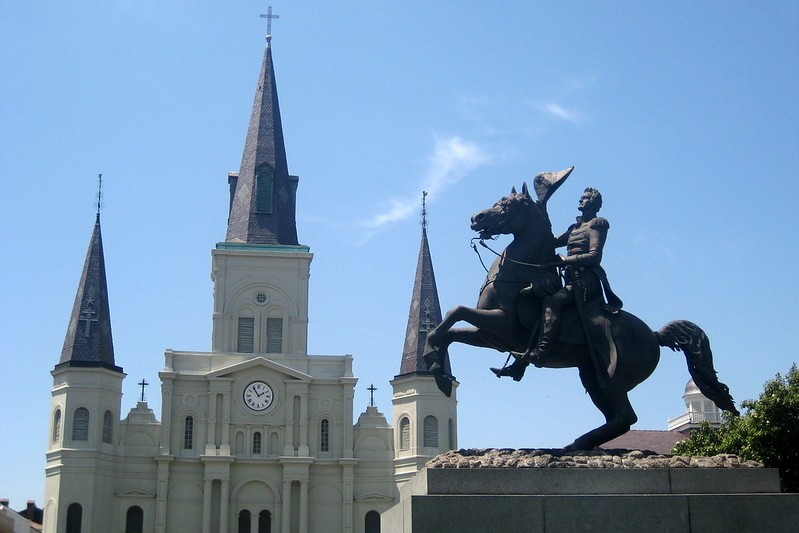
Jackson Square is the obvious starting point, and it’s obvious for a reason. It’s a natural orientation landmark: a historic square, the cathedral nearby, artists and performers around the edges, and the feeling that you’ve arrived. From there, you can drift—Royal Street if you like galleries and antiques, Chartres and Decatur if you want more of the old Quarter texture.
I’d also give yourself permission to wander without trying to “optimize” every block. This is one of those mild contradictions I believe in: plan your starting point, then stop planning for a while. You’ll notice details you wouldn’t have noticed if you were chasing pins on a map.
Food stops that actually fit the day
Food in New Orleans is not just a meal; it’s part of the itinerary. Still, it’s easy to overdo it. Heavy lunch, heavy dinner, cocktails in between… you can end up feeling like you need a nap more than you need another attraction.
A practical rhythm that works for a lot of people:
- Do something sweet or snacky in the morning (beignets are the classic move).
- Go for a lighter lunch—perhaps oysters, a po’ boy, or something you can split.
- Save the bigger meal for later, when you’ve walked enough to earn it and you’re not rushing to the next stop.
If you want a more “built-in experience” dinner in the Quarter, you can choose a place that mixes classic dishes with live music so your night doesn’t become a logistics problem. It’s not the only way to do it, but it’s a very New Orleans way to do it.
Bourbon Street: yes, but on your terms
You don’t have to love Bourbon Street to understand it. I think it’s worth seeing at least once—ideally not as your entire nightlife plan. Consider it a quick pass-through: take a look, people-watch for a bit, then go somewhere you can hear a band or have a conversation without yelling.
And that’s the pivot point, really. The Quarter gives you the postcard version. The rest of the city gives you the story.
Live music that doesn’t feel like homework
New Orleans has live music in a lot of places, but there’s a reason people keep pointing you toward Frenchmen Street. It’s recognized as one of the city’s best spots for finding live music, with a high concentration of clubs and a vibe that feels more music-first than spectacle-first. You can keep it simple: show up, follow what you hear, and commit to whatever room feels right.
For a deeper, venue-by-venue approach (plus how to pick a night that matches your energy), I put together a focused guide here: things to do in new orleans live music. It’s especially helpful if you’re thinking, “I want jazz, but I don’t want to stand in the wrong line for 45 minutes.”
A realistic Frenchmen Street plan
If you’re only doing one music night, try this:
- Go early-ish (after dinner, before very late night). Your chances of finding a good spot to stand or sit are better.
- Pick two venues, maybe three, and spend real time in each. Constantly hopping sounds fun, but it can turn into a blur.
- Let the street be part of it. The walk between rooms matters here; it’s where the city feels alive.
There’s also something reassuring about not over-planning the music. You don’t need a perfect set list. You just need one great moment—one horn line, one vocalist, one drum break that makes you look at your friend like, “Okay, this is the trip.”
Uptown and the Garden District by streetcar
At some point, most people crave a different pace. That’s when you take the St. Charles streetcar. It’s a classic route: you can board near the edge of the French Quarter and ride through Uptown and the Garden District, passing big homes and leafy medians along the way. It’s also, frankly, a nice way to rest your feet while still feeling like you’re “doing something.”
A small note that matters more than you’d think: the ride is old-fashioned in the literal sense, and some cars don’t have air conditioning. If you’re visiting during warmer months, plan for that. Bring water. Sit by an open window if you can. And don’t schedule something immediately afterward that requires you to look perfectly composed.
What to do once you’re there
The Garden District is the kind of place where the “activity” is walking slowly and looking up. Mansions, porches, gardens that make you wonder what it’s like to live behind them. If you like a slightly quieter parallel street, Prytania Street is often recommended as an easy add-on when you’re already in the area.
If you want shopping and food in this part of town, Magazine Street is the usual answer. I hesitate to oversell it because it’s long and you can’t “do” all of it, but that’s also the point. Choose a stretch, wander, stop when something looks good, and accept that you’ll miss things. You’ll miss things in New Orleans no matter what you do. It’s oddly comforting.
Museums and a solid “rain plan”
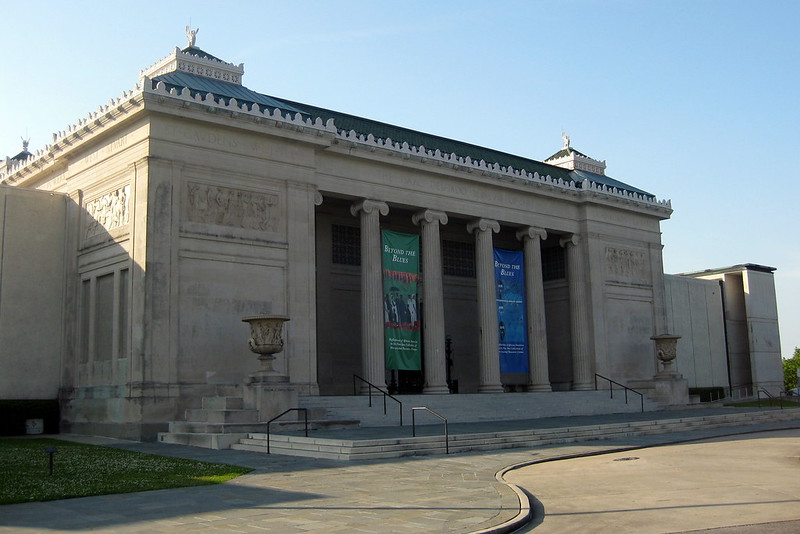
Here’s my honest take: even if you’re not “a museum person,” New Orleans has at least one museum day that makes sense for almost everyone. It’s not just about artifacts. It’s about giving your trip depth, especially if you’ve been eating and listening and wandering for two days straight and you want a different kind of attention.
The National WWII Museum (plan real time)
The National WWII Museum is the big one. It’s immersive, it’s large, and it’s very easy to underestimate. If you care even a little about history—or you’re traveling with someone who does—this can be a highlight of the trip. The museum itself publishes planning guidance and even suggests a full-day itinerary with recommended showtimes for its experiences, which is helpful if you don’t want to improvise your way through it.
A gentle suggestion: don’t squeeze it into a “quick morning.” Give it the breathing room it deserves, then go somewhere casual afterward. You’ll likely want a decompression meal, not a high-energy night immediately after. Although, to be fair, some people love that contrast. I’m just not always one of them.
If it’s raining (or you’re just tired)
New Orleans rain can feel theatrical, and sometimes it’s genuinely inconvenient. Keep a short list of indoor-friendly options: a major museum, a long lunch, a cooking-focused experience, or live music earlier in the evening. If you plan this in advance, it feels less like your day got “ruined” and more like you simply switched tracks.
City Park moments (when you want space)
Not everyone puts parks high on their list of things to do in New Orleans, and that’s fine. But if you’ve been in tight streets and busy rooms, a big green space can reset your whole trip. City Park is one of those places where you remember you’re in a living city, not just a visitor zone.
This is also where you can intentionally slow down: a long walk, a sit-down break, maybe an afternoon that’s not “productive.” That can feel strange on vacation. It can also be exactly right.
A day trip that feels unmistakably Louisiana
I’m slightly torn on day trips, because they can either enhance your trip or eat it. The best ones are simple: easy pickup, one clear experience, back in time for a relaxed dinner. The most popular “only in Louisiana” choice is a swamp tour from New Orleans, and it’s popular for good reason. You get that bayou landscape, wildlife sightings, and a guide who can translate what you’re looking at into something memorable.
If you want help deciding between a swamp tour, a plantation visit, or something on the river, use this decision guide: things to do in new orleans day trips. It’s meant to keep you from booking a tour that sounds good on paper but doesn’t match your travel style.
How to choose the right kind of tour
Here’s a simple way to pick:
- If you want wildlife and scenery, choose a swamp tour.
- If you want history (and you’re ready for heavier context), consider a plantation-focused day.
- If you want something gentler and scenic, look for a river experience—especially if you’re traveling with mixed ages.
And yes, you can do more than one. I just wouldn’t do them back-to-back unless you’re in town for a full week. Most people aren’t.
Itineraries that match real energy levels
It’s tempting to build an itinerary like you’re trying to win something. New Orleans pushes back against that. The city works better when you give each day a “spine” and then let the smaller choices happen in the gaps.
One day (24 hours) that still feels full
- Morning: French Quarter walk starting at Jackson Square, then slow wandering and a snack.
- Midday: A long lunch or a short museum stop, depending on the weather.
- Afternoon: Rest (seriously), then reset.
- Night: Frenchmen Street live music, with a two-venue plan so you don’t spend the night making decisions.
Two days (classic first-timer plan)
- Day 1: French Quarter daytime + Frenchmen Street at night.
- Day 2: St. Charles streetcar + Garden District walk + Magazine Street browsing; add an early evening meal and keep night flexible.
Three days (my favorite, because it breathes)
- Day 1: French Quarter orientation and food.
- Day 2: The National WWII Museum (or your chosen “big museum day”), plus a low-key night.
- Day 3: Swamp tour from New Orleans or another day trip; finish with a celebratory dinner back in the city.
Could you swap the days around? Absolutely. You should, based on weather and how you feel. I think the only real mistake is packing every day to the edges and leaving no space for the small, lucky moments—because that’s what you tend to remember later.
Small tips that make the trip smoother
I’ll keep these simple. They’re not glamorous, but they save you time and frustration.
- Cluster your days by neighborhood. The city is more enjoyable when you’re not zig-zagging across it all day.
- Do the French Quarter early. It’s calmer, and it feels more like a place people live in, not just a nightlife zone.
- Leave space for breaks. Heat, humidity, and late nights can catch up quickly—especially if you’re doing heavy food and cocktails.
- When in doubt, choose music over another museum. Not always, of course. But if your trip starts to feel like a checklist, live music usually puts the soul back in it.
Conclusion: choosing your own version of the city
If you came here for things to do in new orleans, I hope you’re leaving with something better than a list. A shape. A plan that still has room for improvisation. Start with the French Quarter to get oriented, find your way to Frenchmen Street for a real music night, take the streetcar uptown when you want space, and give yourself one “anchor” day—whether that’s the WWII Museum or a swamp tour from New Orleans.
And if you only remember one thing, make it this: New Orleans is not a city you conquer. It’s a city you return to—sometimes in the same trip, sometimes years later.